

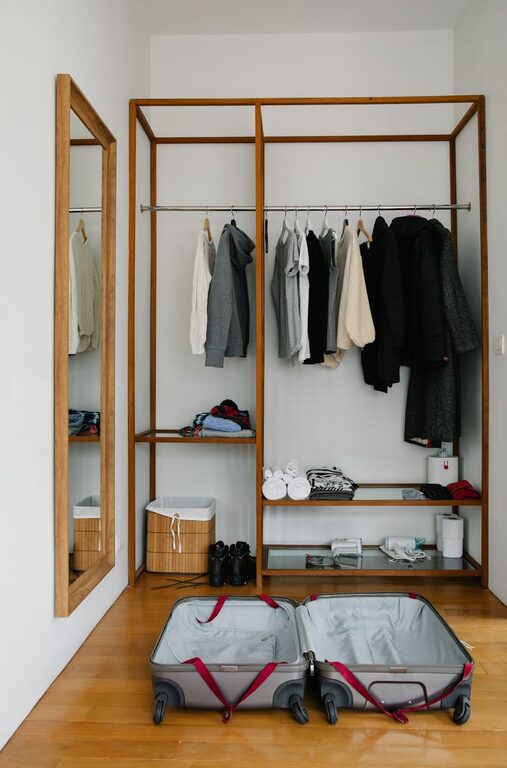
Storing seasonal clothes efficiently is a challenge many people face as the seasons change. Whether it’s bulky winter coats or lightweight summer dresses, having a practical plan helps keep your wardrobe organized and your home clutter-free. This guide offers simple, effective methods to store your seasonal clothing while protecting them from damage and making the clothes easy to find when you need them again.
Why Efficient Seasonal Clothes Storage Matters
Proper storage isn’t just about putting clothes away. It preserves the fabric, prevents damage from pests and moisture, and frees up space in your living areas. When seasonal clothes are well-organized, it also makes your daily routine smoother by reducing clutter and helping you quickly locate what you need.
Step 1: Sort and Declutter Before Storing
Before packing away your seasonal clothes, take time to sort through your wardrobe.
Sort Clothes Into Categories
– Keep: Clothes you wear regularly or want to keep.
– Donate or Sell: Items in good condition that you no longer use.
– Recycle or Dispose: Worn-out, damaged, or stained clothes.
This step reduces the volume of clothes to store and refreshes your wardrobe.
Step 2: Clean Clothes Thoroughly
Always wash or dry clean your clothes before storage. Dirt, oils, and stains can attract insects and cause fabric damage over time. Ensure clothes are completely dry to prevent mildew and mold.
Step 3: Choose the Right Storage Containers
The container you select can protect your clothes from dust, pests, and moisture.
Storage Options:
– Plastic bins with lids: Provide airtight protection and durability.
– Vacuum-sealed bags: Save space and protect against moisture but avoid using on delicate fabrics.
– Fabric storage bags: Breathable and great for natural fibers.
– Under-bed storage boxes: Utilize often-unused space efficiently.
Avoid cardboard boxes, which can attract insects and degrade over time.
Step 4: Use Storage Aids to Maintain Clothing Shape
Keeping your clothes in good shape helps them last longer.
– Fold knitwear and sweaters: Avoid hanging to prevent stretching.
– Use padded or wide hangers: For coats and dresses, to maintain their shape.
– Add tissue paper: Place acid-free tissue paper between folds to prevent creases and fabric damage.
Step 5: Protect Clothes from Pests and Moisture
Moths and other pests can ruin clothes during storage. Moisture can cause mold and mildew.
Tips to Protect:
– Use natural repellents like cedar blocks or lavender sachets.
– Include moisture absorbers such as silica gel packets in storage containers.
– Store clothes in a cool, dry place away from direct sunlight.
Step 6: Label and Organize Your Storage
Clear labeling helps you quickly find clothes next season.
– Write the contents on bins or bags.
– Organize clothes by type (jackets, sweaters, dresses) or by family member.
– Consider a digital inventory list or photo labels for easier searching.
Step 7: Store Seasonal Clothes in Suitable Locations
Where you store your clothes affects their condition.
– Closets or spare bedrooms: If space allows, dedicate a shelf or section for seasonal storage.
– Under-bed storage: Good for storing soft items like t-shirts and pants.
– High shelves or attic: Make sure space is climate-controlled and not prone to humidity or extreme temperatures.
Step 8: Plan Regular Checks
Even stored clothes need attention.
– Check stored clothes every few months for signs of pests or moisture.
– Re-fold or re-arrange if necessary to avoid permanent creases.
– Refresh insect repellents and moisture absorbers as needed.
Bonus Tips for Efficient Seasonal Clothing Storage
– Rotate clothes seasonally to keep your wardrobe fresh.
– Store shoes separately in clear boxes or shoe organizers.
– For delicate or expensive items, consider professional storage options or garment bags.
– Use space-saving hangers or cascading hooks in your closet during in-season months to maximize space.
—
Efficient seasonal clothes storage not only preserves your garments but also keeps your home organized and functional. By following these steps, switching wardrobes between seasons becomes easier, preserving your clothes and saving you time. Enjoy a clutter-free closet and well-maintained wardrobe all year long!